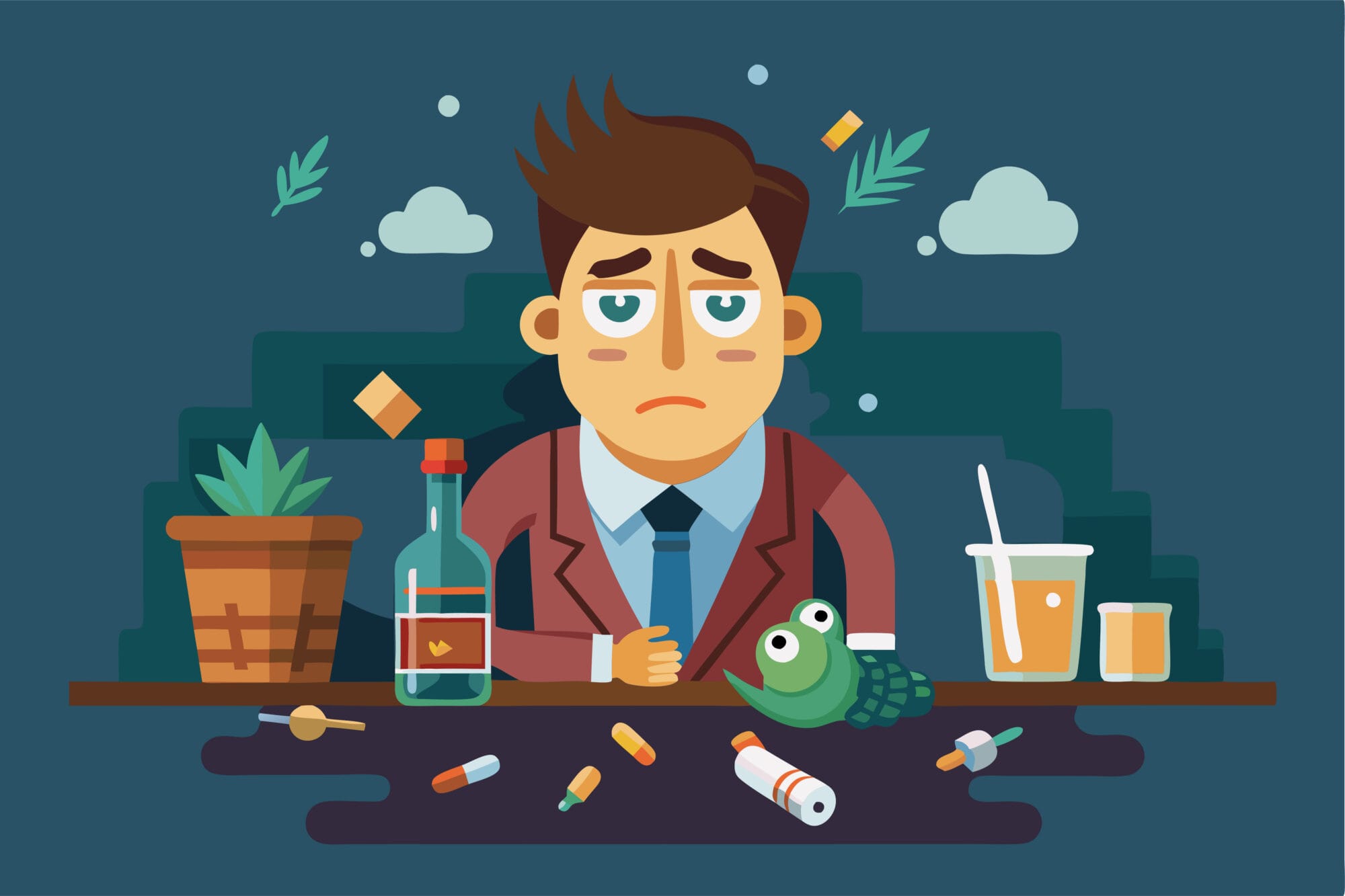
We know that one part of you wants relief from memories, nightmares, and constant tension. Another part might have stopped to think about how much you are using and what it is doing to your body and your relationships. This is because your brain and nervous system have been trying to survive something that was too much, too soon, or for too long.
The hard part is that at some point, PTSD and substance use start feeding each other, and willpower or time alone rarely break that loop. Understanding how they connect is the first step toward a different way of coping. With integrated, trauma-informed treatment, it becomes possible to calm your nervous system and reclaim your life from what trauma and addiction have taken over.
[Content is meant for educational purposes only, and not a substitute for diagnosis or treatment. If safety concerns or severe medical/psychiatric symptoms arise, contact emergency services immediately.]
Table of Contents
Five Quick Takeaways
- PTSD and substance use disorders co-occur at very high rates, with nearly half of people with PTSD developing a substance use disorder at some point.
- Many people use alcohol or drugs to manage intense PTSD symptoms, a pattern called self-medication that brings short-term relief but worsens both conditions over time.
- Treating PTSD and substance use together in one integrated plan leads to better outcomes than addressing either condition separately.
- Therapies including CBT, DBT, Seeking Safety, and Motivational Interviewing are used together at Resa Treatment Center to support integrated recovery.
- Resa Treatment Center in Monmouth County, New Jersey treats PTSD and substance use simultaneously through IOP and standard outpatient programs with rolling admission.
What Is PTSD And How Is It Diagnosed?
Posttraumatic Stress Disorder, or PTSD, is a mental health condition that can develop after you experience or witness a traumatic event. Trauma can include combat, sexual or physical assault, serious accidents, natural disasters, childhood abuse, or sudden loss of someone important. PTSD is not a character flaw, and it is not a sign that you should have been stronger. It is your brain’s response to overwhelming stress.
PTSD symptoms tend to fall into three main groups. You might notice some, all, or different mixes of these patterns at different times in your life.
Re-experiencing means the event keeps replaying itself in your mind or body. You may have intrusive memories, vivid nightmares, or flashbacks where it feels like the trauma is happening all over again. Certain sounds, smells, dates, or places can trigger intense fear, panic, or physical reactions even when you are technically safe.
Avoidance and emotional numbing show up when you do everything possible to not think or feel anything related to what happened. You may avoid people, places, or activities that remind you of the trauma, or push away conversations that come too close. Over time, you can feel detached from others, lose interest in things you once cared about, or feel like your ability to love or connect has shut down.
Hyperarousal feels like your nervous system never really powers down. You might have trouble falling or staying asleep, feel jumpy or easily startled, struggle to concentrate, or notice anger and irritability that flare up fast. Your body may sit in a constant on-guard state that is exhausting yet hard to switch off.
For a PTSD diagnosis, these symptoms need to last at least one month after the trauma and cause real problems in daily life such as at work, in school, in relationships, or with basic self-care. Not everyone who goes through trauma develops PTSD, and not everyone with PTSD looks the same. If you have been calling it stress, being high-strung, or just how I am, you might still be living with untreated PTSD.
PTSD is formally identified by a trained clinician such as a psychiatrist, psychologist, or licensed counselor. A clinical assessment may include brief screening tools, structured interviews that explore your symptoms and trauma history, and questions about sleep, mood, concentration, substance use, and how your daily life is affected. If you have been struggling with sleep, feeling numb, or replaying something that happened to you, a professional evaluation can help you understand what is going on and what kind of help would fit best.
How PTSD And Substance Use Connect And Reinforce Each Other
PTSD and substance use disorders show up together far more often than most people realize. Large national surveys have found that nearly half of people with a lifetime diagnosis of PTSD also meet criteria for a substance use disorder. People with PTSD are significantly more likely to develop a substance problem than those without trauma-related symptoms.
The main explanation researchers have found for this pattern is called the self-medication hypothesis. When your nervous system is flooded with hyperarousal, nightmares, intrusive memories, and sudden waves of panic or shame, almost anything that takes the edge off can seem like a lifeline. Alcohol may help you fall asleep or feel less keyed up. Opioids can numb emotional pain and physical tension. Stimulants may make you feel more alive and less shut down.
The problem is that the relief is temporary and comes with a price. Your brain quickly learns that using a substance brings short-term comfort, so cravings grow stronger whenever PTSD symptoms spike. Research shows that trauma-related reminders can directly increase alcohol or drug cravings for people with both PTSD and substance use disorders. Over time, the substance use becomes its own disorder layered on top of the trauma.
Once both conditions are present, they form a cycle that is hard to break on your own. Substances interfere with deep, restful sleep, which PTSD already disrupts. Alcohol and drugs can increase irritability, anxiety, and emotional avoidance, all core PTSD symptoms. Withdrawal and comedowns can mimic or exaggerate hypervigilance, restlessness, and problems with concentration. Your brain stays stuck in survival mode, bouncing between fighting painful memories and reaching for alcohol or drugs to quiet them.
Other explanations help show why PTSD and substance use so often go hand in hand. Heavy substance use can put you in more dangerous situations that raise your chances of new traumatic events. Long-term substance use can also change your brain and coping skills in ways that make PTSD more likely after trauma. Shared risk factors such as family history, early childhood trauma, and brain chemistry patterns can all increase the odds of both conditions at once.
For many people, PTSD comes first and substance use follows as a way to cope. If you have been using alcohol or drugs just to get through the day or night, it does not mean you are broken. It means your nervous system has been working far too hard for far too long, and it is time to get support that addresses both the trauma and the addiction together.
Signs And Symptoms To Watch For
Over time, it can be easy for many people living with PTSD and substance use to normalize symptoms and not see how serious they really are. Noticing patterns with compassion rather than shame is an important step toward help.
Common PTSD symptoms to watch for include flashbacks or intrusive memories that pull you back into the traumatic event, triggered by reminders or appearing out of nowhere. Nightmares or disrupted sleep may involve replaying the trauma or disturbing dreams that make you dread going to bed. Feeling emotionally numb or detached can look like pulling away from people you care about or feeling like you are watching your life from the outside. Avoiding reminders of the trauma may mean changing routes, skipping events, or shutting down conversations that come too close.
Hypervigilance shows up as feeling constantly on guard, scanning for danger, and jumping at small sounds or movements. Irritability or sudden anger may lead to outbursts that feel stronger than the situation calls for. Difficulty concentrating or remembering things can affect work, school, and daily tasks. Feeling like the future is closed off can create a sense that good things are not meant for you.
Substance use can weave through these symptoms in specific ways. Drinking or using more than planned after nightmares, anniversaries, or stressful events can signal that you are coping with trauma rather than just stress. Using alcohol or drugs to sleep, calm down, or feel normal points toward self-medication. Noticing that sobriety brings PTSD symptoms rushing back can be frightening and lead you to restart use just to get relief from the emotional pain. Feeling unable to manage work, school, or family life without substances suggests that addiction has taken hold alongside the trauma.
These patterns do not mean you are weak. They mean you are carrying symptoms that are too heavy to handle alone and would benefit from professional care.
Who Is Most At Risk For PTSD And Substance Use Disorders?
PTSD and substance use disorders can affect anyone regardless of age, gender, background, or income. At the same time, some histories and situations make co-occurring PTSD and substance use more likely.
A history of early trauma such as childhood abuse, neglect, or growing up around domestic violence can shape how your brain and body respond to stress for years. Repeated or long-lasting trauma tends to have a stronger impact than a single event. A family history of mental health disorders or addiction can increase biological vulnerability. Pre-existing mental health conditions such as anxiety, depression, or bipolar disorder can make it harder to bounce back after trauma. Lack of social support after trauma, including isolation or blame from others, can make symptoms worse. Starting substance use early or shortly after a trauma can lock in a fast-moving cycle that is hard to break without help.
Veterans and active-duty military members face especially high risk because combat and military service often involve repeated trauma and long-term stress. Research consistently shows elevated rates of co-occurring PTSD and substance use disorders among this group. Resa Treatment Center specifically serves veterans and service members as a patient population.
Other groups also face higher odds, including first responders, survivors of sexual violence, people with multiple past traumas, and those who grew up in unsafe or unstable homes. Knowing this can help replace self-blame with understanding and point you toward support that matches what you have survived.
Why Treating Both Conditions Together Matters
For many years, the standard approach was to treat substance use first and postpone trauma work. People were often told they needed months of abstinence before talking about PTSD, or they were sent to separate providers who rarely communicated.
Over time, research has not supported those concerns. Studies have found little evidence that trauma-focused work increases substance use or dropout when it is done carefully within a structured program. Most people with both PTSD and a substance use disorder want help for both conditions at the same time, because that better matches how they actually experience their symptoms.
Integrated treatment tends to work better because PTSD symptoms often drive substance use. When nightmares, flashbacks, and hypervigilance feel unbearable, alcohol or drugs can appear to be the only option. Research shows that when PTSD symptoms improve, substance use often drops as well.
When only one condition is treated, the other tends to pull you backward. If you stay sober but your trauma symptoms remain, cravings can surge whenever you get triggered, tired, or overwhelmed. If you focus only on PTSD while still using heavily, substances can blur the work you do in therapy and keep your brain in survival mode. Integrated care brings trauma and addiction into the same conversation with the same clinical team. You do not have to decide which pain matters more or which problem to address first. Both are real, both are treatable, and both deserve support at the same time.
Effective Treatment Approaches For Co-Occurring PTSD And Substance Use
When PTSD and substance use disorders are treated together, therapy becomes a set of practical tools you can use to calm your body, change unhelpful thoughts, manage cravings, and build a life that feels safer and more stable.
Therapies That Target PTSD And Trauma
One of the most widely used approaches for co-occurring PTSD and substance use is Seeking Safety. This therapy is present-focused, which means you do not have to give detailed accounts of what happened to you. Instead, you work on learning grounding skills to steady yourself when you feel flooded, setting boundaries in relationships and situations that drain you, coping with triggers in healthier ways, and building a sense of safety in your body and your daily routine. Seeking Safety is a confirmed part of care at Resa Treatment Center and is designed specifically for people facing both trauma and addiction.
Cognitive Behavioral Therapy (CBT) helps you notice and gently challenge thoughts that grow out of trauma such as I am never safe or I am broken beyond repair. You learn to connect thoughts, feelings, and behaviors and practice new ways to respond when you feel triggered. This can reduce shame, hopelessness, and all-or-nothing thinking that keep PTSD and substance use in place.
Dialectical Behavior Therapy (DBT) adds skills for managing emotions without turning to alcohol or drugs. You practice distress tolerance, emotion regulation, interpersonal effectiveness, and mindfulness through exercises you can use in real life. Mindfulness-based approaches more broadly help your nervous system shift out of constant alarm by bringing attention gently back to the present moment.
Therapies And Tools That Support Substance Use Recovery
Motivational Interviewing (MI) helps you explore your mixed feelings about alcohol or drugs, highlight your own reasons for wanting something different, and build confidence that change is possible. Your therapist does not lecture or argue with you, they walk alongside you.
Relapse prevention work helps you identify personal warning signs and high-risk situations, notice the thoughts and feelings that tend to show up right before you use, and create concrete plans for what to do when cravings hit. If-then scripts and safer coping strategies become part of your toolkit for when PTSD symptoms and cravings intersect.
Medication-Assisted Treatment (MAT) can be an important support for people with co-occurring opioid or alcohol use disorder. At Resa Treatment Center, confirmed MAT medications include buprenorphine, Suboxone, naltrexone, Vivitrol, Acamprosate, and Disulfiram, used when clinically appropriate alongside therapy. These medications reduce cravings and withdrawal symptoms so your brain has the stability it needs to focus on therapy and daily living.
Family therapy can also be part of integrated care, especially when relationships have been strained by trauma, secrecy, or substance use. Sessions help loved ones understand PTSD and addiction, learn healthier ways to support you, and set boundaries that protect everyone involved. Family involvement at Resa always requires your consent and can be withdrawn at any time.
What Your Treatment Path Can Look Like
Many people with PTSD and substance use disorders can get solid, intensive help in outpatient settings that let them keep living at home. You do not have to picture locked hospital units or giving up your daily life to get real support.
An Intensive Outpatient Program (IOP) offers a high level of structure without requiring you to move into a facility. In IOP, you attend therapy groups, individual counseling, and recovery-focused sessions several days per week on weekdays. This format lets you work deeply on trauma and addiction while still going home at night, caring for children, or keeping a job.
A Standard Outpatient Program (OP) provides ongoing support with fewer hours per week. This level of care often follows IOP or suits people whose symptoms are more stable but who still need regular contact to maintain progress. Sessions focus on reinforcing skills, adjusting your recovery plan as life changes, and catching early warning signs before they build into a setback.
Sometimes a higher level of care such as residential treatment is the safest place to start. If that is the case, Resa Treatment Center coordinates with partner facilities so you can step up to more intensive care and then step back down without losing the thread of your treatment.
When you meet with a clinician to choose a level of care, you might talk about how often you are using substances and whether withdrawal is a concern, how severe your PTSD symptoms are and how safe you feel day to day, your medical needs, housing situation, and support system, and work, school, and caregiving responsibilities you still need to meet.
How Resa Treatment Center Supports Your Recovery
If you are in New Jersey and looking for care that genuinely understands the link between trauma and addiction, Resa Treatment Center approaches both from the same foundation. Located in Monmouth County, Resa serves adults 18 and older from surrounding communities who are living with substance use disorders, mental health conditions like PTSD, or both. Care is available for alcohol, opioids, cannabis, stimulants, benzodiazepines, and other substances.
Integrated, trauma-informed treatment runs through every part of how Resa works. PTSD and substance use are never treated as separate problems handled in different silos. Safety, predictability, and collaboration guide how sessions are structured, so you know what to expect and your voice matters in decisions about your care.
Resa draws from Seeking Safety, CBT, and DBT to build coping skills for trauma and strong emotions, while mindfulness practices help you reconnect with your body in calmer ways. Motivational Interviewing supports you as you sort through mixed feelings about change. Family therapy invites loved ones into the process when that feels helpful and safe, always with your consent.
Both Intensive Outpatient (IOP) and Standard Outpatient (OP) programs run on weekdays with scheduling built around work, school, and family responsibilities. Rolling admission means you do not have to wait for a new round of groups to begin. In most cases, you can move from first contact to your first session within two to four days.
Every person starts with a comprehensive assessment that looks at PTSD symptoms, substance use patterns, other mental health concerns, medical needs, and daily responsibilities. From there, your clinical team builds a plan that brings together individual therapy, group work, and medication support when appropriate. Crisis response planning and coordination with outside providers keep you connected even when symptoms spike. When a higher level of care is needed at any point, Resa works with partner facilities so your treatment path stays connected from one step to the next.
Conclusion
Living with both PTSD and a substance use disorder can feel like being caught in a storm that never fully passes. Once you see how closely the two are linked, though, that connection stops being just another source of shame and starts becoming a map. Healing is not about fixing what is wrong with you, it is about getting the right kind of support for what has happened to you.
Research and real-world experience point in the same direction. Treating PTSD and substance use together, with trauma-informed and evidence-based care, gives you the best chance at calmer days, safer relationships, and more stable recovery. You do not have to choose between working on your trauma or your addiction, because both are part of the same story.
If you or someone you love is dealing with PTSD and substance use in Monmouth County or nearby New Jersey communities, Resa Treatment Center is ready to help. Integrated IOP and outpatient care, rolling admissions, and a typical start time of two to four days mean that support is closer than it might feel right now. Reaching out is often the first quiet step toward a very different life.
Getting you help is just a call away. It’s a quick 5 -10 minute call. Let’s get in touch today. Call (732) 495-1474 or Get Started.
FAQs – Frequently Asked Questions
What Is The Connection Between PTSD And Substance Use?
PTSD and substance use disorders often occur together because many people use alcohol or drugs to cope with overwhelming trauma symptoms. Substances may briefly ease nightmares, hyperarousal, or intrusive memories, so the brain learns to reach for them whenever distress spikes. Over time, this self-medication creates a separate addiction that feeds back into the PTSD, making both conditions harder to manage without integrated treatment.
Can You Treat PTSD And Substance Use Disorder At The Same Time?
Yes, and treating them together is now considered best practice. Integrated care addresses both the trauma driving substance use and the addiction itself within one coordinated plan. Therapies like Seeking Safety, CBT, DBT, and Motivational Interviewing are designed to fit inside this kind of approach so you are not bouncing between separate systems of care.
What Are The Signs That PTSD May Be Connected To My Substance Use?
You may notice that you drink or use more after nightmares, flashbacks, arguments, or anniversaries related to your trauma. Substances might feel necessary to sleep, calm your thoughts, or get through stressful situations, and attempts to cut back can make PTSD symptoms feel unbearable. If triggers and cravings seem linked, a clinical assessment can help clarify the connection and point you toward a plan that addresses both.
What Therapies Are Most Effective For Co-Occurring PTSD And Substance Use?
Integrated, evidence-based therapies work best for PTSD and substance use together. Seeking Safety, CBT, and DBT help you build coping skills for trauma, emotions, and cravings, while Motivational Interviewing supports your own reasons for change. Medication-Assisted Treatment for alcohol or opioid use disorder can reduce withdrawal and cravings so you can fully engage in therapy.
Are Veterans At Higher Risk For Co-Occurring PTSD And Substance Use Disorders?
Yes, veterans face higher risk because combat and military service often involve repeated trauma and sustained stress. Research consistently shows elevated rates of co-occurring PTSD and substance use disorders among veterans compared to the general population. Integrated, trauma-informed treatment is especially important for this group so both combat trauma and substance use are addressed together.
What Level Of Care Do I Need For Co-Occurring PTSD And Substance Use?
The right level depends on how severe your symptoms are, how safe you feel, and what your daily life looks like. Many people do well in IOP or standard outpatient programs, which provide structured evidence-based treatment while you keep living at home. If you need a higher level of care first, Resa Treatment Center can coordinate with partner facilities and continue your outpatient treatment when you step down.
Who Can Start At Resa Treatment Center And How Quickly Can Treatment Begin?
Resa Treatment Center serves adults 18 and older in Monmouth County, New Jersey and nearby communities who are living with substance use disorders, PTSD, other mental health conditions, or any combination of these. Co-occurring disorders are treated at the same time through IOP and standard outpatient programs. Because Resa offers rolling admission, most people can begin treatment within two to four days of reaching out for a comprehensive assessment.