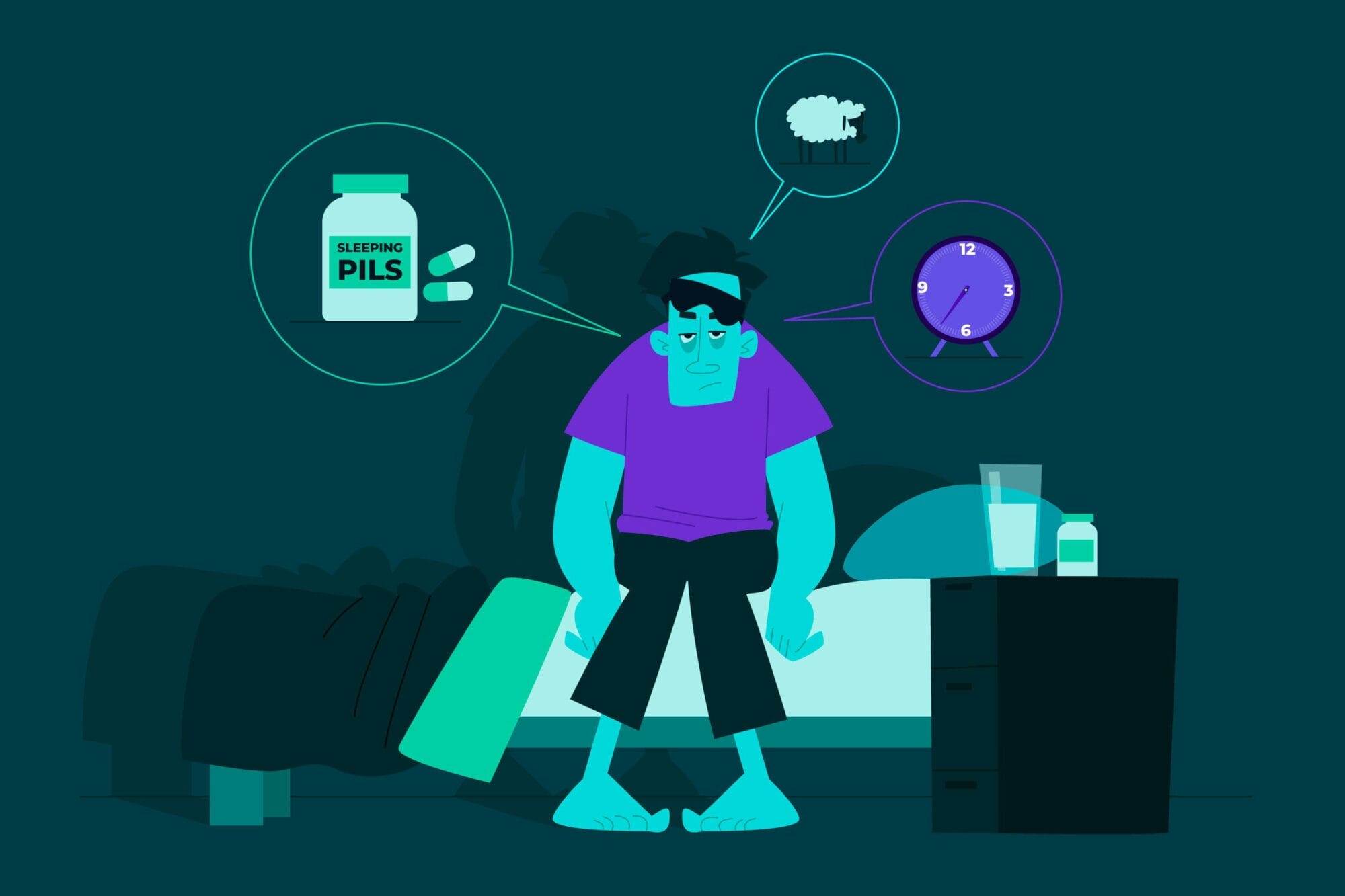
When you live with major depressive disorder (MDD) and addiction at the same time, life can feel very small. You might wake up exhausted, use substances just to get through the day, and wonder if anything will ever change. The mix of low mood and substance use can blur together until it is hard to see where one ends and the other begins.
This mix is more common than it seems, and when depression and substance use show up together, each one can hide or intensify the other, which makes getting clear answers feel confusing.
You are not alone, and you are not broken. Major depressive disorder and addiction are medical conditions that respond to the right kind of care. By understanding how these conditions connect, what signs to watch for, and which treatments help most, you can move toward safer, steadier recovery.
[Content is meant for educational purposes only, and not a substitute for diagnosis or treatment. If safety concerns or severe medical/psychiatric symptoms arise, contact emergency services immediately.]
Table of Contents
Five Quick Takeaways
- MDD and addiction often overlap, and each condition feeds the other so treating one alone rarely works.
- Self-medication may feel helpful briefly but over time deepens depression and strengthens addiction.
- Treating both conditions together in integrated care improves stability and lowers relapse risk.
- Therapies such as CBT, DBT, Seeking Safety, and Motivational Interviewing address both conditions at once.
- Resa Treatment Center in Keansburg offers rolling admission and care can start within two to four days.
What Is Major Depressive Disorder, And How Is It Diagnosed?
Major depressive disorder is a medical mood disorder where deep sadness and loss of interest last for at least two weeks. It affects how you think, feel, sleep, eat, and function, far beyond a rough patch or normal grief. According to the National Institute of Mental Health, about 21 million U.S. adults experience at least one major depressive episode in a year.
Clinicians use the DSM-5 to diagnose major depressive disorder. Common symptoms include:
- Low mood most of the day, almost every day
- Loss of pleasure in activities you used to enjoy
- Major changes in sleep or appetite
- Fatigue and low energy
- Feelings of worthlessness or guilt
- Trouble concentrating or making decisions
These symptoms must cause real problems at work, in relationships, or with daily tasks.
Diagnosis usually starts with a full medical checkup and lab work to rule out thyroid issues, anemia, or medication side effects. A mental health professional then asks detailed questions about your mood, thinking, behavior, and any substance use. For someone dealing with major depressive disorder and addiction, mapping out when symptoms started in relation to alcohol or drug use helps separate depression that came first from depression triggered by substances.
Types Of Depression Commonly Linked To Substance Use
Depression comes in several forms, and each one can interact with substances in different ways. Knowing which pattern fits you best can help your treatment team choose the right focus.
- Major depressive disorder often feels overwhelming. Mood stays very low for weeks. Pleasure disappears even from favorite activities. Heavy alcohol or opioid use may begin as an attempt to numb the pain.
- Dysthymia or persistent depressive disorder feels like a long gray cloud. Symptoms are milder but last for years. You might use alcohol or pills to appear okay at work, and over time that coping style can quietly turn into addiction.
- Seasonal Affective Disorder tends to show up in darker months. Low energy, sleep changes, and carb cravings are common. Some people rely on alcohol or stimulants to push through the season, which can worsen mood and sleep.
- Atypical depression includes strong mood swings. Your mood may lift briefly when something good happens, then crash again. Managing the highs and lows with substances greatly raises risk for major depressive disorder and addiction together.
How Do Depression And Substance Use Reinforce Each Other?
Depression and substance use reinforce each other through a tight, two-way loop. Untreated major depressive disorder often leads you to alcohol, opioids, or stimulants for quick relief, while long-term substance use can create or deepen depressive episodes. Over time, this loop can lock you into major depressive disorder and addiction at the same time.
The self-medication path often starts with needing to relax or needing energy to function. Substances briefly boost dopamine and serotonin, the brain chemicals tied to mood and motivation. According to the National Institute on Drug Abuse, repeated substance use changes these brain systems, which raises the risk of both addiction and mood disorders. As tolerance grows, you need more of the substance to feel the same effect, and depression symptoms usually come back stronger.
The reverse path also happens. Heavy or long-term substance use disrupts sleep, appetite, relationships, and physical health. Those changes alone are enough to trigger serious depression in many people. Shared risk factors such as family history, childhood trauma, poverty, and post-traumatic stress disorder make both conditions more likely, which is why so many people develop major depressive disorder and addiction together.
How Specific Substances Affect Depressive Symptoms
Different substances affect your brain and mood in different ways, but almost all of them can worsen depression over time.
Alcohol may feel calming at first, but it acts as a depressant. As alcohol leaves your system, serotonin and norepinephrine drop sharply. This crash can leave you more anxious and hopeless than before you drank.
Opioids reduce pain and create a warm, numb feeling. With repeated use, normal joy from daily life fades. Withdrawal from opioids brings severe physical and emotional distress that pushes many people back to use, deepening both addiction and depression.
Stimulants such as cocaine or methamphetamine create a short-lived high. They flood the brain with dopamine, then leave a deep crash. Long-term use can damage dopamine receptors, making it very hard to feel pleasure from normal activities for months.
Marijuana can seem like a gentler option. Over time, heavy use often increases lethargy and foggy thinking. Many people isolate more and move less, shifts that are closely tied to worsening depressive symptoms.
What Are The Signs And Symptoms Of Co-Occurring MDD And Addiction?
When major depressive disorder and substance use disorder occur together, symptoms of each condition often overlap or hide each other. That overlap can make it hard to see that both need attention.
You might notice long-lasting sadness, numbness, or irritability along with a steady rise in alcohol or drug use. Activities you once enjoyed may feel pointless, and it may be hard to get out of bed or focus at work.
Common overlapping signs include:
- Ongoing loss of interest in hobbies, relationships, or goals, with substances slowly replacing almost everything else you cared about
- Major changes in sleep and appetite alongside stronger cravings or withdrawal symptoms
- Cognitive fog and low motivation that drops work and school performance
- Using substances to cope with feelings after every stressful event, or just to get through normal days
- Attempts to cut back leading to intense mood swings or panic
When symptoms worsen, warning signs can include suicidal thoughts, reckless behavior, and substance-induced hallucinations, especially during heavy intoxication or withdrawal. Any talk of wanting to die or not wanting to wake up is an emergency and needs fast support.
Elevated Suicide Risk: What You Need To Know
When major depressive disorder and addiction occur together, suicide risk rises sharply. Substances lower inhibitions and increase impulsive behavior, which makes it more likely that a passing thought becomes an action. Withdrawal periods are especially dangerous, because mood often crashes and thinking becomes more desperate. If you ever feel at risk of harming yourself, contact 988, call 911, or go to the nearest emergency room right away.
Resa Treatment Center builds crisis response planning into care so you have practical steps ready for high-risk moments, including emergency contacts, coping skills you can use quickly, and ways to reduce access to means while you get help.
Who Is At Risk For Major Depressive Disorder And Addiction?
Major depressive disorder and addiction do not happen because you are weak. They develop through a mix of biology, genetics, and life experiences that are often outside your control.
Biology plays a strong role. If close relatives have depression, bipolar disorder, or substance use disorders, your own risk rises.Differences in dopamine and serotonin systems can make some people more sensitive to both low mood and the effects of substances.
Environment also matters. Childhood trauma, neglect, or unstable housing can shape how your brain and stress system develop. Ongoing stress from poverty, unsafe neighborhoods, discrimination, or chronic pain keeps your nervous system on high alert. Many people turn to substances to try to steady that storm, and over time this pattern increases the odds of major depressive disorder and addiction appearing together.
You may face higher risk if you experienced trauma or abuse in childhood or adulthood, live with chronic medical conditions or pain, lack steady housing, income, or social support, work in settings where heavy alcohol or drug use feels normal, or have a history of anxiety, PTSD, or other mental health concerns.
How Demographics Shape Risk And Barriers To Treatment
Different stages of life bring different pressures that can change both risk and the kind of help you need.
- Young adults often feel pulled between school, early jobs, and social pressure. Depressive symptoms may be dismissed as typical stress, which delays diagnosis and treatment.
- Working adults may keep everything going on the surface, using stimulants, alcohol, or pills to meet deadlines and care for family. Fear of job loss or judgment can keep you from seeking help.
- Older adults and seniors face losses that younger people may not, such as retirement, chronic pain, or the death of a partner. Physical health often declines faster, which makes treatment more urgent.
- Family members and partners can slide into patterns where they focus entirely on protecting or managing a loved one. Without support of their own, their mental health can suffer as well.
Why Does Treating Both Conditions Together Matter?
Treating depression and substance use together matters because each condition feeds the other every day. If you treat only one, the other often pulls you right back into old patterns.
Sequential care once asked you to get sober first and then work on mood, or the reverse. This approach ignores how tightly symptoms are linked. If depression stays intense, you may return to substances to feel any relief. If addiction remains active, alcohol or drugs keep disrupting brain chemistry, which makes treatment far less effective.
In integrated care, the same team treats your mood, substance use, and physical health, information is shared so no part of your history is forgotten, and you learn to spot early signs of a depressive slide and rising cravings together.
This combined approach improves the odds of steady recovery and reduces the risk of repeated crises.
Understanding Post-Acute Withdrawal Syndrome (PAWS)
Post-Acute Withdrawal Syndrome is a set of symptoms that can appear after the first, more visible stage of withdrawal ends. Even once alcohol or drugs are out of your system, your brain may still be trying to reset its chemical balance. That reset can take weeks or months.
PAWS often includes irritability and sudden mood shifts, sleep problems or disturbing dreams, low energy and fatigue, poor focus and memory issues, and deep flat mood that feels like depression.
For someone with major depressive disorder and addiction, these symptoms can feel almost identical to a severe depressive episode, which makes them especially confusing and risky for relapse. Ongoing psychiatric care, skills practice, and sometimes medication adjustments are important during this period. Relapse prevention planning at Resa Treatment Center includes preparation for symptom shifts that can occur after early recovery so you are not caught off guard.
What Treatments Are Most Effective For MDD And Addiction?
The most effective care for major depressive disorder and addiction uses several tools at once. No single method fixes everything, but the right mix can help you feel safer, steadier, and more hopeful.
Integrated treatment starts with a clear picture of your symptoms, substance use patterns, medical history, and supports. A clinician then builds a plan that includes individual and group therapy, medication management for mood and cravings when appropriate, skills training for coping and daily routines, and support for physical health and sleep.
Lifestyle changes such as structured sleep, movement, and connection are part of treatment, not extras. Behavioral Activation pushes you to schedule small meaningful activities even when motivation is low. Sleep Hygiene strategies rebuild your sleep-wake rhythm, which strongly affects both mood and cravings. Together with the right medications and therapies, these steps help major depressive disorder and addiction feel more manageable.
Evidence-Based Therapies For Co-Occurring MDD And Addiction
Several therapy approaches have strong research support for co-occurring depression and substance use. At Resa Treatment Center, these methods are combined so your care addresses thoughts, emotions, behavior, and relationships at the same time.
- Cognitive Behavioral Therapy (CBT) helps you notice and shift unhelpful thoughts and habits. You learn to challenge all-or-nothing thinking and practice new responses. Behavioral Activation and Sleep Hygiene are CBT-based skills that rebuild routine even when motivation is low.
- Dialectical Behavior Therapy (DBT) focuses on four skill areas. Mindfulness keeps you grounded in the present. Distress tolerance and emotion regulation give you tools to ride out waves of pain without using substances. Interpersonal effectiveness builds healthier communication and boundaries.
- Motivational Interviewing (MI) helps you explore your own reasons for change. Instead of pressure, it uses curiosity and collaboration. This style works well early on when you may feel mixed about letting go of substances.
- Trauma-informed approaches such as Seeking Safety and mindfulness-based relapse prevention recognize the role of past trauma. You learn grounding skills to calm your body and mind. Family therapy can also support healing, and at Resa Treatment Center it only happens with your clear consent, which you can change at any time.
Medication-Assisted Treatment And Psychiatric Medication
Medication-Assisted Treatment (MAT) uses carefully chosen medications along with counseling to treat opioid and alcohol use disorders. For opioid use disorder, options at Resa Treatment Center include buprenorphine, Suboxone, naltrexone, and Vivitrol. For alcohol use disorder, naltrexone, Vivitrol, Acamprosate (Campral), and Disulfiram (Antabuse) are available, each working differently to reduce cravings or support abstinence.
Psychiatric medications such as antidepressants or mood stabilizers may also be coordinated as part of your care to address major depressive disorder directly. When MAT and psychiatric medications are combined thoughtfully, they help steady brain chemistry so you can fully engage in therapy. In integrated care, medication coordination is tracked alongside therapy progress so no part of your depression or addiction is left unaddressed.
What Levels Of Care Are Available For Dual Diagnosis Treatment?
Dual diagnosis treatment is offered across several levels of care, each with a different intensity. The goal is not to stay at the highest level forever, but to step down as you gain skills and stability.
At higher levels, inpatient or residential programs provide 24-hour structure and medical care. These settings are often best if you face severe withdrawal risks, active suicidal thoughts, or very unstable living conditions. Resa Treatment Center does not run these programs directly but coordinates with partner facilities when this level of care is needed.
Intensive Outpatient Programs (IOP) and standard outpatient care provide support while you live at home. Moving smoothly between levels reduces relapse risk, and care teams aim to avoid gaps because the days after leaving a higher level of care are especially fragile for people dealing with major depressive disorder and addiction.
Intensive Outpatient And Standard Outpatient: Flexible Paths Forward
Intensive Outpatient Programs give you several days each week of group and individual therapy while you sleep at home. You can often continue work, school, or caregiving during the day or evening depending on scheduling. Treatment includes skills practice for coping and relapse prevention, medication management and monitoring, and regular check-ins on safety, cravings, and mood.
Standard outpatient care involves fewer hours, often weekly or biweekly sessions. This level focuses on maintaining gains, strengthening relapse prevention plans, and adjusting medications as needed. For court-ordered treatment, programs can include drug testing and detailed attendance records to meet legal requirements.
At Resa Treatment Center in Keansburg, IOP and standard outpatient are the direct levels of care offered. When you need residential care, Resa Treatment Center coordinates with partner facilities so you move smoothly into the right level without losing support.
How Does Resa Treatment Center Support Recovery From MDD And Addiction?
Resa Treatment Center provides integrated care for adults facing major depressive disorder and addiction in Monmouth County and nearby New Jersey communities. Treatment plans address your mental health, substance use, and physical wellness together so nothing important is left out. This approach helps you understand how mood and substances connect in your daily life and gives you tools to interrupt that cycle.
After a thorough assessment, you receive a personalized plan that can include CBT, DBT, Motivational Interviewing, Seeking Safety, mindfulness-based relapse prevention, Behavioral Activation, and Sleep Hygiene training. Medication management is available for both psychiatric medications and Medication-Assisted Treatment for opioid or alcohol use disorders. Confirmed MAT medications at Resa Treatment Center include buprenorphine, Suboxone, naltrexone, Vivitrol, Acamprosate, and Disulfiram.
Both IOP and standard outpatient programs run on weekdays, so you do not have to choose between care and responsibilities. Rolling admission means you can usually start treatment within two to four days of your initial assessment. If you need a higher level of care, staff coordinate with partner programs and then welcome you back to IOP or outpatient when you are ready to step down.
Starting Treatment at Resa Treatment Center
Resa Treatment Center serves adults 18 and older who are living with depression, substance use, or both. If you are facing opioid use disorder, alcohol use disorder, or another substance problem along with mood symptoms, care is designed with that mix in mind. Treatment also fits people who have relapsed before and are ready to try a more integrated approach.
The programs work well for young adults early in recovery, working professionals who need flexible scheduling, and older adults who need added medical oversight. Family members can join family therapy sessions with your clear express consent, which you can withdraw at any time. Hospital discharge planners, social workers, and courts in Monmouth County can refer adults who need certified dual diagnosis care with clear documentation and follow-up.
Conclusion
Living with major depressive disorder and addiction can make the future look very small and very dark. When every day feels like a cycle of low mood and substance use, it is easy to believe there is no other way to live. Both depression and addiction are treatable medical conditions, not failures, and understanding that is the first step toward something different.
Integrated, evidence-based care can help you feel more stable, safer in your own mind and body, and connected to people who understand what you are facing. You do not have to feel completely ready or confident before reaching out. You only need a small amount of willingness to talk honestly about what is happening. At Resa Treatment Center, you will not be judged for where you are. You will be met with acceptance, warmth, and a team that is genuinely looking out for you from the very first conversation.
If you live in Monmouth County or nearby New Jersey communities, Resa Treatment Center in Keansburg can help you take that next step. Care can start within days, not months, and you can keep work, school, and family in view while you heal.
Getting you help is just a call away. It’s a quick 5 -10 minute call. Let’s get in touch today. Call (732) 495-1474 or Get Started.
FAQs – Frequently Asked Questions
What Is The Difference Between Major Depressive Disorder And Feeling Depressed?
Major depressive disorder is a clinical diagnosis, not just a passing low mood. Symptoms last at least two weeks, affect most of your day, and disrupt work, school, or relationships. A licensed professional uses DSM-5 criteria and a full assessment to confirm the diagnosis.
Can Substance Use Actually Cause Depression?
Yes. Chronic substance use can cause or worsen depression. Alcohol, opioids, and stimulants change brain chemicals like dopamine and serotonin over time. Even after you stop using, mood symptoms may continue and need direct mental health treatment.
Is It Safe To Stop Using Substances On Your Own If You Have Depression?
Stopping on your own when you have depression is not considered safe. Withdrawal can bring a sudden flood of intense mood symptoms including severe anxiety and suicidal thoughts. Medical and psychiatric support makes withdrawal safer and lowers relapse and crisis risk.
What Therapies Work Best For Co-Occurring Depression And Addiction?
Cognitive Behavioral Therapy and Dialectical Behavior Therapy are two leading therapies for co-occurring conditions. CBT helps you challenge unhelpful thoughts and rebuild routines through skills such as Behavioral Activation and Sleep Hygiene. DBT teaches mindfulness, emotion regulation, and distress tolerance so you can face strong feelings without using substances.
Does Insurance Cover Treatment For MDD And Addiction?
Resa Treatment Center accepts Medicaid, and staff can discuss coverage options with you before you begin. Many insurance plans cover treatment for depression and substance use, but coverage details vary. Checking your benefits directly is the best way to understand what applies to your situation.
How Does Relapse Factor Into Recovery From Co-Occurring Disorders?
Relapse is common in recovery from chronic conditions like major depressive disorder and addiction. It does not mean treatment failed or that you cannot get better. In integrated care, relapse is treated as information that helps strengthen your plan with new skills and safeguards.
Who Can Start At Resa Treatment Center, And How Quickly Can Treatment Begin?
Adults 18 and older in Monmouth County and nearby New Jersey communities can start at Resa Treatment Center in Keansburg. Rolling admission means you can usually begin IOP or standard outpatient care within two to four days of your first assessment. If you need residential care first, staff coordinate with partner facilities and then welcome you back when you are ready to step down.