When you’re dealing with substance use disorders, mental health conditions, or both, your body often becomes filled with tension, cravings, and overwhelming emotions. Progressive muscle relaxation (PMR) offers a proven way to regain control over your physical and emotional state. It provides immediate relief while building long-term strength.
This proven technique, part of Dialectical Behavior Therapy (DBT), teaches you to release physical tension step by step as a foundation for emotional regulation. Unlike many coping strategies that need lots of practice before showing results, this technique delivers clear benefits within minutes. At the same time, it trains your nervous system toward greater stability over time.
[Content is meant for educational purposes only, and not a substitute for diagnosis or treatment. If safety concerns or severe medical symptoms arise, contact emergency services immediately.]
Table of Contents
Five Quick Takeaways
- PMR reduces tension and calms the nervous system.
- Consistent practice builds stronger, faster relaxation responses.
- PMR helps manage cravings without relying on substances.
- Adapt the sequence for cravings, trauma, or panic.
- Brief sessions still deliver measurable relief and stability.
Understanding Progressive Muscle Relaxation Within DBT
Progressive muscle relaxation represents a cornerstone skill within DBT’s distress tolerance module. Developed by physician Edmund Jacobson in the 1920s and improved through decades of research, this technique works on a simple principle: by tensing and then releasing specific muscle groups throughout your body, you create deep physical relaxation that leads to emotional calm.
Within the DBT framework, this practice serves multiple therapeutic functions. It reduces distress immediately during crisis moments, helps interrupt the physical parts of emotional dysregulation, and creates a lasting foundation for other DBT skills.
“Psychoeducational groups are designed to educate clients about substance abuse, and related behaviors and consequences.” (Center for Substance Abuse Treatment, 2005, p. 32). SAMHSA TIP 41 (library.samhsa.gov)
For people managing substance use disorders, the technique offers a healthy alternative to using substances for tension relief. For those with mental health conditions like anxiety disorders, depression, PTSD, or borderline personality disorder, it addresses the physical signs of distress that often keep emotional suffering going.
DBT recognizes that emotional regulation isn’t purely psychological, it’s fundamentally embodied. Your thoughts, feelings, and physical sensations form a connected system where change in one area influences the others. This practice uses this connection by targeting the physical part, creating a ripple effect that influences your emotional and mental states.
The Neuroscience Behind Progressive Muscle Relaxation
Understanding how this technique works in your brain and body can strengthen your motivation to practice regularly and trust the process during difficult moments.
When you experience stress, cravings, or intense emotions, your nervous system activates the fight-or-flight response. This triggers many physical changes: muscle tension increases, heart rate speeds up, breathing becomes shallow, stress hormones flood your system, and you focus more on detecting threats. For people with substance use disorders or mental health conditions, this response often stays activated all the time, creating constant physical tension that makes emotional distress worse.
Progressive muscle relaxation directly works against this pattern by activating your parasympathetic nervous system, the “rest and digest” system responsible for calming and restoration. The deliberate tension-release cycle accomplishes several neurobiological objectives:
Sensory Discrimination Enhancement: By creating contrast between tension and relaxation, the practice improves your ability to notice small amounts of physical tension you might otherwise ignore. This awareness is crucial for early intervention before distress escalates.
Proprioceptive Recalibration: The technique resets your inner sense of “normal” muscle tone, helping your nervous system recognize and maintain lower baseline tension levels. Over time, relaxation becomes your default state rather than an effortful achievement.
Neuroplastic Adaptation: Repeated practice strengthens brain pathways linked to relaxation, making the skill more automatic and easier to use during high-stress situations.
Hormonal Regulation: This practice lowers cortisol levels and increases endorphins, your body’s natural mood boosters, providing relief without the harmful effects of substance use.
For people in recovery from substance use disorders, this brain and body shift is especially important. Substances often create artificial states of relaxation or euphoria by manipulating neurotransmitter systems. Progressive muscle relaxation offers a lasting, healthy way to achieve similar nervous system balance without the physical dependence, mental impairment, or life problems linked to substance use.
Why This Technique Is Essential for Recovery
The combination of substance use disorders and mental health conditions, called co-occurring disorders or dual diagnosis, presents unique challenges that this practice specifically addresses.
Craving Management: Substance cravings show up as both mental urges and intense physical feelings like muscle tension, restlessness, gut discomfort, or general agitation. This technique interrupts the physical part of craving, reducing its strength and making it easier to use other coping strategies. Research shows that physical relaxation decreases how strong cravings feel, providing an important window for making healthy choices.
Emotion Regulation Deficit Compensation: Many mental health conditions involve difficulties identifying, tolerating, and managing emotions. These challenges often drive substance use as an emotion regulation strategy. This practice provides a different emotion regulation tool that’s immediately available and doesn’t require complex emotional understanding. You can practice this technique even when you can’t identify what you’re feeling. You simply need to recognize that you’re distressed.
Anxiety Symptom Reduction: Anxiety disorders often happen alongside substance use problems, creating a cycle where anxiety triggers substance use, which briefly reduces anxiety but ultimately makes it worse. This practice directly addresses the physical signs of anxiety like muscle tension, shallow breathing, and increased body arousal, breaking this cycle without putting substances into your system.
Trauma Response Modulation: For people with PTSD or trauma histories, the body often stays in a state of high alert, constantly looking for threats. This chronic activation exhausts your nervous system and makes emotional regulation nearly impossible. This technique gently teaches your body that safety is possible, slowly reducing baseline arousal and improving your ability to tell the difference between real danger and trauma-related false alarms.
Sleep Quality Enhancement: Insomnia and poor sleep patterns are almost universal in substance use and mental health disorders. However, quality sleep is essential for recovery. This practice before bed helps your body transition into sleep by reducing muscle tension, quieting racing thoughts through body focus, and signaling safety to your nervous system.
Withdrawal Symptom Management: During detoxification and early recovery, physical withdrawal symptoms create major distress. While this technique cannot eliminate withdrawal, it can reduce the muscle tension, restlessness, and agitation that often come with this process, making symptoms easier to handle and reducing relapse risk.
How to Practice Progressive Muscle Relaxation
The effectiveness of this technique depends on consistent, proper approach. Here’s a detailed method designed specifically for people managing substance use and mental health challenges:
Setting Up Your Relaxation Practice
Create an environment conducive to relaxation. Find a quiet space where you won’t be interrupted for 15-20 minutes. You can practice sitting in a comfortable chair or lying down. Choose based on what feels easiest for you. If lying down triggers sleepiness when you need to remain alert, opt for seated practice.
Wear comfortable, non-restrictive clothing. Remove glasses, shoes, and anything that might create physical discomfort. Set your phone to silent mode or place it in another room.
Before beginning, take three slow, deep breaths. Notice your current state without judgment. Simply observe where you’re holding tension and acknowledge your current emotional state. This establishes a baseline for comparison and reinforces the skill of mindful awareness.
Understanding the Tension and Release Process
This practice works through major muscle groups in order, usually moving from your arms and legs toward your core. For each muscle group, follow this pattern:
Tense: Tighten the muscles on purpose for 5-7 seconds, creating clear tension without causing pain. The tension should feel strong but manageable, about 70% of your maximum strength.
Release: Quickly let go of all tension, allowing the muscles to become completely loose and heavy. Focus closely on the feeling of release for 15-20 seconds, noticing how relaxation feels different from tension.
Observe: Take a moment to notice the contrast between the tense and relaxed states. This awareness-building part is important for developing your ability to notice and release tension throughout daily life.
Working Through Each Muscle Group
Hands and Forearms: Make tight fists with both hands, hold for 5-7 seconds, then let go completely. Notice the warmth and heaviness flowing into your hands and fingers.
Upper Arms: Bend your arms at the elbows and tighten your biceps by bringing your hands toward your shoulders. Hold, then release, letting your arms drop comfortably.
Shoulders: Raise your shoulders toward your ears, creating tension across your shoulder girdle. Hold, then let your shoulders drop heavily, releasing accumulated stress.
Neck: This sensitive area requires gentle attention. Create tension by pulling your chin down toward your chest while pushing back with your neck muscles. Alternatively, press your head back against a surface. Use moderate tension only, then release carefully.
Face: Scrunch your whole face toward the center, squeeze your eyes shut, wrinkle your nose, and purse your lips. Hold, then release, feeling your facial features soften and smooth.
Jaw: Clench your teeth together (without hurting your teeth), creating tension in your jaw muscles. Let go completely, allowing your mouth to open slightly and your jaw to hang loose.
Chest and Upper Back: Take a deep breath and hold it while pulling your shoulder blades together in back. Hold briefly, then exhale fully, releasing all tension.
Abdomen: Tighten your abdominal muscles as if preparing for impact. Hold, then release, allowing your belly to soften completely.
Lower Back: Arch your lower back a little (be careful if you have back problems), creating gentle tension. Hold, then release, letting your back sink into support.
Hips and Buttocks: Squeeze your buttocks together tightly. Hold, then release completely.
Thighs: Straighten your legs and tense your thigh muscles. Hold, then release, feeling heaviness settle into your legs.
Calves: Point your toes away from your body, tensing your calf muscles. Hold, then release. (Be cautious if you’re prone to leg cramps.)
Feet: Curl your toes downward, creating tension across the tops of your feet. Hold, then release, allowing your feet to rest completely.
Finishing Your Relaxation Session
After completing all muscle groups, remain still for several minutes. Scan your body from head to toe, noticing the overall sense of relaxation. Take several slow, deep breaths, appreciating the calm state you’ve created.
Before returning to activity, slowly transition by wiggling your fingers and toes, gently stretching, and opening your eyes if they were closed. Moving too quickly can diminish the benefits and create disorientation.
Adapting the Practice for Specific Challenges
Real-world application requires flexibility. Here are modifications for common situations in substance use and mental health recovery:
During Intense Cravings: Use a shortened version focusing on three muscle groups—hands, shoulders, and face—where tension most often builds up during cravings. This 3-5 minute version provides rapid relief while remaining practical during urge episodes.
For Trauma Survivors: Some trauma survivors find the tensing part energizing rather than relaxing. Try “release-only” practice: instead of creating tension on purpose, simply scan each body area and release any tension you find there. This gentler approach achieves similar benefits without potentially triggering trauma responses.
Managing Panic Attacks: Begin with your breathing rather than muscle tension. Start with slow, regular breathing first, then add the technique starting with your hands and moving upward. The organized focus helps stop panic from getting worse while the physical relaxation works against physical panic symptoms.
Insomnia Application: Practice lying down in bed with less tension (about 50% instead of 70%). Move very slowly through the steps, spending more time on the release and observation parts. Allow yourself to drift into sleep if it occurs, there’s no need to complete the entire sequence.
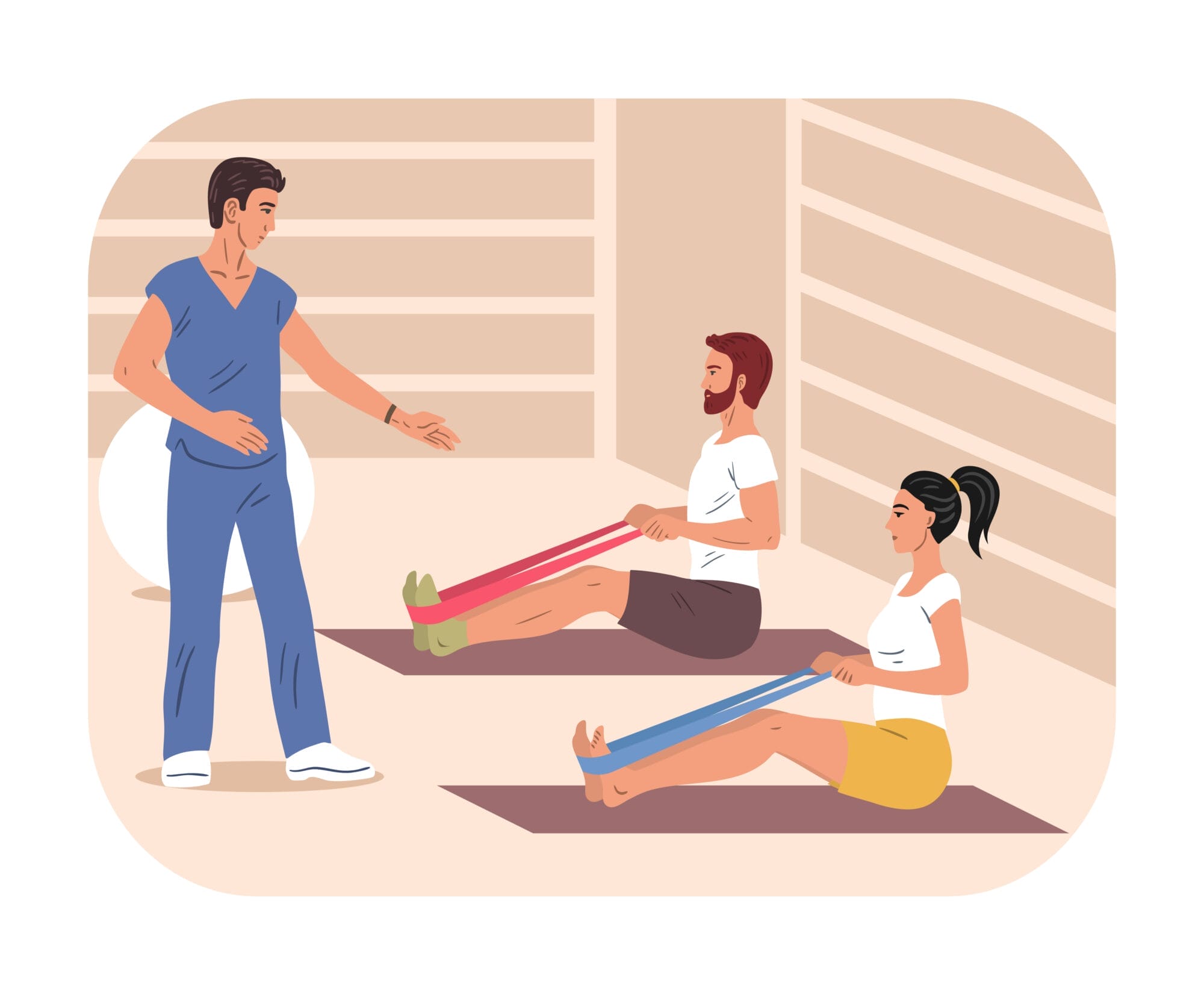
Group Settings: In treatment programs or support groups, this practice can be done together with one person giving spoken guidance through the steps. This creates accountability, makes sure the pacing is right, and makes the practice normal within your recovery community.
“Group psychoeducation (GPE) can be used as part of treatment package for all psychiatric diagnoses and it has no age bias.” (World Health Organization, 2012, p. 18).WHO (World Health Organization)
Navigating Common Practice Obstacles
Mastering this technique involves navigating predictable challenges:
“My Mind Won’t Quiet”: This practice isn’t about eliminating thoughts but redirecting attention. When your mind wanders, which it will, simply notice this without criticizing yourself and gently bring your focus back to your physical feelings. Each time you redirect attention, you’re strengthening your concentration capacity.
“I Fall Asleep”: If staying awake is important, practice sitting rather than lying down, use slightly shorter holding times, and practice earlier in the day. If sleep is your goal, embrace this response as therapeutic.
“I Don’t Feel Any Different”: Benefits often manifest subtly at first. Track specific measures like sleep quality, craving strength ratings, or emotional reactions over weeks instead of expecting big changes from one session. Physiological adaptation takes time.
“I Forgot the Sequence”: Use guided recordings initially until the pattern becomes familiar. Many free recordings are available online, or you can record your own instructions. Consistency matters more than perfect execution.
“It Feels Weird or Uncomfortable”: This discomfort often comes from not being used to body-focused practices or past disconnection from physical feelings. Start with very short sessions (5 minutes) and slowly increase the time as you become more comfortable.
“I Don’t Have Time”: Even abbreviated 5-minute versions provide measurable benefits. View this practice as essential medicine for your recovery rather than optional self-care. It’s easier to find time for short daily practice than to handle severe distress that takes hours to fix.
Integrating the Practice Into Your Recovery
Long-lasting skill development requires working this into daily life rather than using this technique only during crisis moments.
Establish Routine Practice: Choose specific times for practice, like when you wake up, before bed, or during lunch breaks. Regular scheduling builds brain pathways that make the skill more automatic and easier to use during sudden high-stress situations.
Create Environmental Cues: Link practice to existing routines. Keep a reminder note where you can see it, set phone alerts, or practice right after another habit like morning coffee.
Track Your Progress: Keep a simple log writing down how often you practice, how long, and your relaxation ratings before and after. This information shows progress you might otherwise miss and gives you motivation when you feel discouraged.
Combine With Other DBT Skills: This technique enhances other methods. Practice before engaging in cognitive restructuring exercises when anxiety clouds your thinking. Use it alongside mindfulness meditation to deepen present-moment awareness. Apply it before difficult conversations to reduce physiological reactivity.
Share With Your Support System: Teach this technique to close friends or family. Practicing together creates accountability and gives you a shared way to support each other during stress.
Adapt to Your Lifestyle: The versatility of this practice allows use almost anywhere. Develop abbreviated versions for discreet workplace use, car waiting periods, or medical appointments. The more contexts where you practice, the more broadly accessible the skill becomes.
The Long-Term Benefits of Consistent Practice
While this technique provides immediate relief, its deepest benefits come from steady practice over months and years.
Brain changes slowly reset your nervous system’s baseline, making relaxation your normal state rather than something you have to work hard for. You learn to notice rising tension earlier, allowing you to step in before distress turns into a crisis. Your ability to handle uncomfortable emotions grows as you learn that physical discomfort can be controlled on purpose.
For people in recovery from substance use, this practice helps heal the brain and body damage that substances caused. Your natural ability to handle stress gets stronger, reducing your need for outside substances or behaviors to manage emotions.
In mental health recovery, regular practice supports the wider therapy work of processing trauma, challenging distorted thoughts, and building social skills. Physical regulation provides the stable foundation necessary for psychological growth.
“Psychoeducational interventions are less expensive, more easily administered and potentially more accessible than conventional pharmacological and psychological interventions.” (Donker et al., 2009, p. 2). BMC Medicine
Progressive Muscle Relaxation Resa-Style
Learning this technique alone provides valuable benefits, but practicing in a structured treatment setting greatly increases how well it works. At Resa Treatment Center, progressive muscle relaxation is part of a complete DBT program delivered through proven Intensive Outpatient and Standard Outpatient programs designed for adults dealing with substance use disorders, mental health conditions, and co-occurring challenges.
Instead of practicing alone at home, Resa’s approach places this skill within a wider treatment plan. You’ll learn alongside other distress tolerance techniques like TIPP and self-soothing, practice with trained therapists who can adjust the technique to your specific needs, and get immediate feedback during group sessions with others facing similar challenges. This organized skills practice changes the technique from a single relaxation exercise into a connected part of your recovery toolkit.
Resa’s personalized treatment planning makes sure instruction fits your specific triggers, whether you’re managing substance cravings, anxiety symptoms, trauma responses, or withdrawal discomfort. With ongoing admission and flexible program levels, you can start developing these life-changing skills within days of your first assessment.
The combination of proven therapy, Medication Assisted Treatment when needed, and caring whole-person treatment creates the best setting for learning this practice and building lasting recovery. Sometimes, professional guidance makes all the difference.
Moving Forward With Progressive Muscle Relaxation
Progressive muscle relaxation offers immediate relief and lasting transformation for your recovery journey. This skill awaits you in any moment of distress or calm. Your body deserves the gift of intentional rest and restoration. Begin today, one breath, one muscle group, one moment of peace at a time.
FAQs – Frequently Asked Questions
What Is Progressive Muscle Relaxation (PMR)?
PMR is a technique that tenses and releases muscle groups. It promotes physical calm that supports emotional regulation and recovery.
How Does PMR Affect The Nervous System?
PMR activates the parasympathetic system, easing fight-or-flight arousal. Repeated practice strengthens relaxation pathways and reduces baseline tension.
Can PMR Help With Cravings Or Anxiety?
Yes, PMR interrupts the bodily tension that fuels cravings and anxiety. It creates a calmer state that supports healthier choices and coping.
How Do I Practice PMR Step By Step?
Work through muscle groups, tensing for 5 to 7 seconds. Release fully for 15 to 20 seconds while noticing sensations.
How Can I Adapt PMR For Specific Challenges?
Use shorter sequences during cravings, focusing on hands, shoulders, and face. For trauma, try release-only scans without deliberate tensing.
How Does Resa Include PMR In Treatment?
Resa teaches PMR within DBT groups led by trained clinicians. Practice is individualized and integrated with other evidence-based skills.
Who Is Eligible For Resa’s Programs?
Adults 18 and older can enroll in IOP or OP programs. Adolescents 12 to 17 are not accepted for treatment.