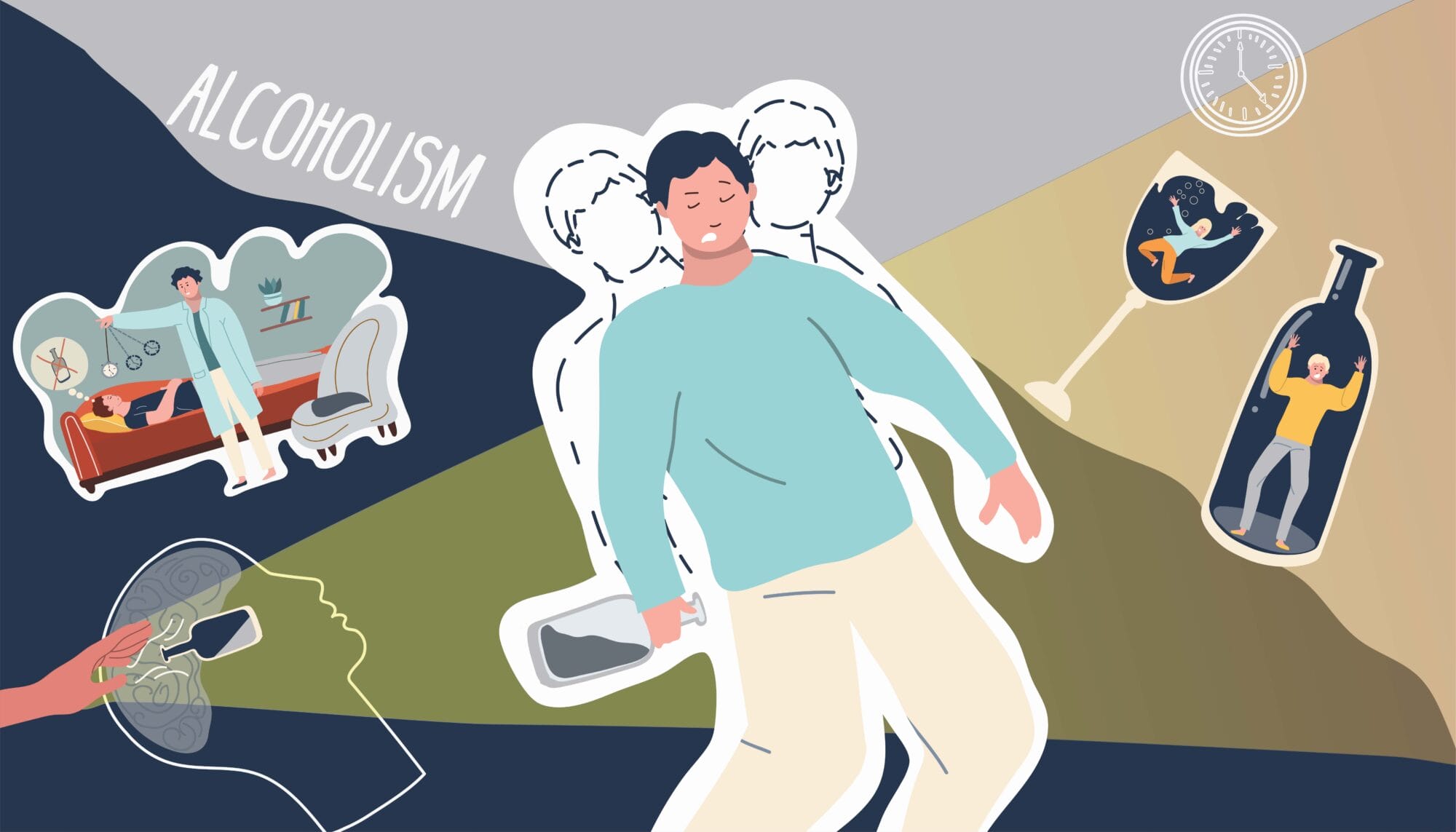
When alcohol stops feeling like a choice and starts feeling like a rule you have to follow, it can be scary. If you see yourself or someone close to you in that sentence, you are not alone. Millions of people live with alcohol use disorder, and it is a medical condition, not a sign that you are broken or weak.
Alcohol use disorder is a clinically recognized brain disorder that affects how you think, feel, and act around alcohol. It changes the way your brain responds to pleasure and stress, which is why willpower by itself so often feels like it is never enough. The patterns people once called alcoholism, alcohol abuse, or dependence all fall under this one diagnosis.
Even looking up alcohol use disorder takes courage. It means a part of you is ready for something different, even if another part is scared, unsure, or tired of trying. That mix of feelings is normal and very common.
In this article, you will learn what alcohol use disorder is, how to spot the signs, what causes it, and how it affects your body and daily life. You will also see what effective treatment looks like, how Resa Treatment Center supports recovery, and how to build a plan that reduces relapse risk. By the end, you will have a clearer picture of what is happening and what you can do next, one step at a time.
[Content is meant for educational purposes only, and not a substitute for diagnosis or treatment. If safety concerns or severe medical/psychiatric symptoms arise, contact emergency services immediately.]
Table of Contents
Five Quick Takeaways
- Alcohol use disorder is a medical brain condition, not a moral failing, and it exists on a mild, moderate, and severe spectrum that responds to treatment.
- Common signs include loss of control over drinking, strong cravings, withdrawal symptoms, and problems at work, school, or in relationships.
- Genetics, mental health, environment, and life experiences all play a part.
- Evidence-based treatment combines medication, therapy, and peer support.
- Resa Treatment Center offers flexible IOP and outpatient programs in Monmouth County, New Jersey, with rolling admission and integrated care for alcohol use disorder and co-occurring mental health conditions.
What Is Alcohol Use Disorder?
Alcohol use disorder is a chronic medical condition and brain disorder. It means you have an ongoing problem with controlling or stopping alcohol use, even when it causes problems for your health, relationships, work, or safety. It brings together what people once called alcohol abuse, dependence, and alcoholism into one diagnosis.
Professionals diagnose alcohol use disorder using criteria from the DSM-5, the standard mental health diagnostic guide. The diagnosis falls on a spectrum:
- Mild: 2–3 criteria met
- Moderate: 4–5 criteria met
- Severe: 6 or more criteria met
No matter where you land, you deserve support and a plan that matches your needs.
Over time, heavy and frequent alcohol use changes brain circuits that handle reward, stress, memory, and self-control. Your brain begins to expect alcohol to feel normal or to calm distress. This is why cravings can feel so strong and why relapse can happen even after long sober stretches.
It is important to know that alcohol use disorder is not a lack of willpower. It is a medical condition that responds to evidence-based care such as therapy, medication, and social support. Early help matters, because even a mild alcohol use disorder can grow more serious if it goes untreated.
Unhealthy drinking patterns raise your risk, especially when they are frequent:
- Binge drinking happens when your blood alcohol level reaches 0.08 percent or higher, often after five or more drinks for men or four or more for women within about two hours.
- Heavy drinking means regular, high-volume use over time, such as more than 14 drinks per week for men or more than 7 for women, according to many medical guidelines.
- A standard drink in the United States holds about 14 grams of pure alcohol, which is found in 12 ounces of regular beer, 5 ounces of wine, or 1.5 ounces of distilled spirits.
Knowing this helps you compare your own use to medical guidelines and see where alcohol use disorder might fit.
What Are the Signs and Symptoms of Alcohol Use Disorder?
Healthcare providers use eleven DSM-5 criteria to diagnose alcohol use disorder. They look at how many of these signs you have had during the past year. This is a structured process meant to understand your situation, not to shame or judge you.
When you read the list, notice where you relate. You do not have to match every item for alcohol use disorder to be present.
- Drinking more or longer than planned happens often. You promise yourself you will stop at one or two. Hours later, you realize you kept going anyway.
- Trying to cut down without success keeps repeating. You set rules for yourself and break them. You feel frustrated that willpower does not seem to stick.
- Spending a lot of time around alcohol becomes normal. You focus on getting it, using it, or recovering afterward. Other parts of life get squeezed out.
- Feeling strong urges to drink shows up in daily life. The craving feels like it takes over your mind. It is hard to think about anything else until you drink.
- Falling behind on responsibilities starts to happen. You miss work, school, or family duties. You might call in sick or cancel plans because of drinking or hangovers.
- Continuing to drink despite conflict becomes a pattern. Arguments with partners, family, or friends repeat. Deep down, you know alcohol is part of the conflict.
- Giving up hobbies or interests creeps in. Activities that once mattered begin to fade. Alcohol starts to take that time and energy.
- Drinking in risky situations takes place more than once. You might drive, use machinery, or have unsafe sex after drinking. Later you realize the danger.
- Drinking even when you know it harms you continues. Maybe your doctor has warned you, or you notice your mood crash. You still feel pulled back to alcohol.
- Needing more alcohol for the same effect starts to show. What once gave you a buzz now feels weak. You raise the amount to chase the old feeling.
- Feeling sick when you stop appears between drinks. You may feel shaky, anxious, sweaty, or restless. You might drink just to feel steady again.
Alongside these criteria, many people notice emotional and social signs such as hiding how much they drink, feeling guilty or ashamed, drinking before events to feel ready, feeling panicked at the idea of socializing without alcohol, or thinking constantly about when they can drink next.
If you see yourself in two or more of these signs, that can mean a mild alcohol use disorder. More signs point to a more serious condition. Any level is worth a talk with a professional, especially if you feel stuck or scared.
Understanding Alcohol Withdrawal
When you live with alcohol use disorder and have used large amounts for a long time, your brain and body adapt. If you suddenly stop or cut down sharply, you may go into alcohol withdrawal. This is not just feeling off for a day. It can be serious or even life-threatening.
Withdrawal symptoms can start within several hours of your last drink and may last several days. Common signs include:
- Heavy sweating and clammy skin
- A racing heart and raised blood pressure
- Shaking hands or body tremors
- Nausea, vomiting, and loss of appetite
- Trouble sleeping and vivid nightmares
- Intense anxiety, restlessness, or feeling on edge
Some people see or hear things that are not there or feel deeply confused. These are warning signs that medical care is needed right away.
The most severe form of alcohol withdrawal is called delirium tremens, often called DTs. This can bring confusion, fever, heavy shaking, vivid hallucinations, and seizures. DTs can lead to death if you do not receive fast medical care.
If you or a loved one has alcohol use disorder and drinks heavily on a regular basis, do not stop suddenly on your own. A medically supervised detox program can manage withdrawal for you with close monitoring and medication support. Fear of withdrawal is common, but many people say detox was far safer and more manageable than they expected when they had the right help.
What Causes Alcohol Use Disorder and Who Is at Risk?
Alcohol use disorder does not have a single cause. It develops from a mix of genetics, brain chemistry, mental health, life experiences, and environment. Understanding this mix can ease self-blame and help you see why willpower alone feels so hard.
Genetic and biological factors play a big part in alcohol use disorder. Research suggests that about sixty percent of the risk comes from genes, a finding supported by recent work on genetic, psychiatric, and environmental factors contributing to alcohol use disorder. If a parent or close relative has alcohol use disorder, your own risk is higher. When alcohol use becomes heavy over time, it also changes brain pathways tied to reward and self‑control, which makes cravings stronger and makes stopping harder.
As some clinicians put it, “Genetics loads the gun, environment pulls the trigger.” That means biology matters, but it does not act alone.
Psychological factors also matter. Many people with alcohol use disorder live with anxiety or panic, depression or bipolar disorder, post-traumatic stress disorder (PTSD), or ADHD. Alcohol may start as a way to numb fear, sadness, or memories. Over time, that coping method turns into its own problem. A history of trauma, especially in childhood, raises risk even more.
Social and environmental influences shape alcohol use too. If friends, partners, or family drink heavily, it can feel normal to do the same. Media and culture often make heavy drinking look fun or glamorous without showing the cost. Starting to drink before age fifteen increases the chance of alcohol use disorder later in life in a strong way.
None of these mean that alcohol use disorder is your fault. They show how many forces come together. The good news is that with proper treatment, you can move in a different direction at any age, no matter how you got here.
Other risk factors include:
- Regular binge episodes
- Steady heavy drinking over many years
- High‑stress jobs or unstable living situations
- Certain medical procedures such as bariatric surgery, which some research links with later alcohol problems
How Does Alcohol Use Disorder Affect Your Health and Daily Life?
Alcohol use disorder does not just affect your nights or weekends. Over time it touches nearly every part of your body and daily routine. These effects are not punishments. They are medical and social results of a condition that has gone untreated for too long.
The body has to work hard to process alcohol. Organs such as the liver, heart, pancreas, and brain take on a big load. At the same time, alcohol use disorder changes how you act, how you relate to others, and how safe you are in daily situations. Understanding these effects can motivate change and also explain why you may feel the way you do.
Physical Health Complications
Long-term alcohol use disorder can harm many systems in your body. Some changes can improve once you stop, while others may become lasting if the damage has gone on for years.
- Liver problems build slowly at first. Fat collects in the liver, then inflammation starts. Without change, this can move into cirrhosis, which is life-threatening scarring.
- Heart strain often shows up as high blood pressure or rhythm issues. The heart can enlarge and weaken over time. Even one heavy drinking night can trigger an irregular heartbeat.
- Digestive trouble may include stomach pain, heartburn, or ulcers. The lining of your stomach and esophagus can swell and bleed. The pancreas can also inflame, causing severe pain.
- Nervous system harm can cause numb hands and feet or burning pain. Memory can feel foggy, and thinking can slow. A lack of vitamin B1 from alcohol use disorder can damage the brain in a lasting way if not caught early.
- Cancer risk rises in the mouth, throat, esophagus, liver, colon, and breast. Even moderate use raises breast cancer risk in women.
- Immune system weakness makes it harder to fight infection. Pneumonia and other illnesses may become more common.
- Pregnancy risks are high when alcohol use disorder is present. Drinking during pregnancy is the only known cause of fetal alcohol spectrum disorders, which affect a child for life.
- Sleep and mental health often worsen. Alcohol may help you fall asleep but leads to poor-quality rest, nightmares, and waking up unrefreshed. Over time, depression and anxiety can deepen.
Alcohol also interacts with many medications. Some mixes make the medicine weaker, and others raise side effects or even become dangerous.
Impact on Safety, Relationships, and Daily Life
Alcohol use disorder can also shake the ground under your daily life. Slower reaction time and poor balance increase the chance of car crashes, falls, drowning, and workplace injuries. Legal problems such as DUIs, fines, and court cases can follow. Work and school performance can slip, which may lead to warnings, job loss, or dropped classes.
Alcohol use disorder can raise suicide risk, especially when sadness, trauma, or hopeless thoughts are present, a pattern reflected in national trends in alcohol-related deaths across demographics and states. If you ever feel at risk of harming yourself, you can call or text 988 for the Suicide and Crisis Lifeline to reach support any time.
Lowered inhibitions can lead to unprotected sex, unwanted pregnancy, or exposure to sexually transmitted infections. Legal problems such as DUIs, fines, and court cases can follow. Work and school performance can slip, which may lead to warnings, job loss, or dropped classes.
Relationships often carry the deepest pain. Trust erodes as broken promises and forgotten events pile up. Loved ones may feel scared, angry, or helpless. Many people with alcohol use disorder pull back socially, which brings more isolation and shame. Alcohol use disorder can also raise suicide risk, especially when sadness, trauma, or hopeless thoughts are present.
These patterns can change with treatment, and many families do find healing, even after very hard periods.
What Are the Most Effective Treatments for Alcohol Use Disorder?
Alcohol use disorder is treatable. Many people move from daily chaos and fear into stable, satisfying lives with the right mix of help. There is no single method that fits everybody. Treatment works best when it is personal, evidence-based, and built around your real life.
For moderate to severe alcohol use disorder, treatment may start with medically supervised detox. Doctors and nurses watch your vital signs, give medication, and keep you as safe and comfortable as possible while alcohol leaves your system. After detox, ongoing care focuses on staying sober, building skills, and addressing deeper issues.
Effective plans usually combine medication, therapy, and peer support. The goal is to help your brain heal, strengthen your coping tools, and reconnect you to people who support your recovery.
Medication-Assisted Treatment (MAT) for Alcohol Use Disorder
Medication-assisted treatment is a research-backed way to treat alcohol use disorder. The medicines are not addictive, and they work with your brain chemistry to make recovery more manageable. Resa Treatment Center offers all three FDA-approved medications for alcohol use disorder.
- Naltrexone blocks much of the rewarding effect that alcohol usually brings, which lowers cravings and makes slips less reinforcing. It comes as a daily pill or as a monthly injection called Vivitrol, which many people prefer because it removes the need to remember a daily dose.
- Acamprosate supports your brain after you stop drinking. Many people feel edgy, anxious, or unable to sleep in the early months of recovery. Acamprosate, also known as Campral, can ease those lingering symptoms so you can focus on counseling and daily life.
- Disulfiram, also known as Antabuse, works differently from the others. If you drink alcohol while taking it, you feel very sick with flushing, nausea, and a pounding heart. This effect acts as a strong deterrent and works best when you are highly motivated and have support around you.
These medications do not replace therapy or lifestyle change, but they can lower the volume of cravings enough for you to use the skills you are building in treatment.
Medication-assisted treatment is most powerful when you combine it with therapy. At Resa Treatment Center, Naltrexone, Vivitrol, Acamprosate, and Disulfiram are available as part of a broader alcohol use disorder program in New Jersey, with careful monitoring from medical staff to watch side effects, track progress, and adjust as needed.
Behavioral Therapies
Therapy for alcohol use disorder is not about lectures. It is about learning new ways to think, feel, and act when stress, cravings, or triggers show up. At Resa, clinicians combine multiple evidence-based approaches based on what fits you best.
Cognitive Behavioral Therapy (CBT)
CBT helps you spot thoughts that push you toward alcohol. For example, you might think, “I cannot relax without a drink.” In CBT, you test those thoughts and build new coping skills such as urge surfing, problem solving, and refusal skills for social pressure.
Therapist: “Walk me through the last time you reached for a drink when you didn’t plan to. What was happening right before?”
Patient: “I got a critical email from my boss and felt this tightness in my chest. I thought, “I just need one to calm down.”
Therapist: “So the thought was ‘one drink will calm me down.’ What actually happened after that one drink?”
Patient: “I kept going. And in the morning I felt worse and I still had to deal with the email.”
Therapist: “So the drink delayed the discomfort but didn’t solve it. What is one thing you could do at that moment before reaching for a drink?”
Patient: “I could go for a walk or text someone. Give it ten minutes.”
Therapist: “Let’s make that your if-then plan. If I feel that chest tightness after a stressful message, then I will walk outside for ten minutes before I decide anything.”
Motivational Interviewing (MI)
Motivational interviewing meets you where you are, even if you feel unsure about change. The therapist asks open questions and listens closely. Together, you explore what alcohol gives you and what it takes away, which can strengthen your own reasons for change.
Therapist: “On a scale of 0 to 10, how important is it to you right now to make a change with your drinking?”
Patient: “Maybe a six. I know it’s causing problems, but I’m not sure I’m ready.”
Therapist: “Why a six and not a three?”
Patient: “Because my kids are starting to notice. And my liver numbers were bad at my last checkup.”
Therapist: “So your kids and your health are pulling you toward change. What would a seven look like for you?”
Patient: “If I actually believed I could do it without falling apart at work events.”
Dialectical Behavior Therapy (DBT)
DBT teaches skills for emotion regulation and distress tolerance. This is very helpful if intense feelings or urges often lead you toward alcohol. You learn how to ride out strong emotions without harmful actions.
Trauma-Focused Therapies
Approaches such as Seeking Safety are key if you live with PTSD or past trauma. These therapies focus on safety, grounding skills, and gentle work with painful memories, all while supporting sobriety. Trauma and alcohol use disorder are closely linked, and treating one without the other rarely holds.
Mindfulness Therapies
This approach helps you notice cravings and thoughts without acting on them. You practice observing urges as passing events rather than commands, which can lower relapse risk.
How Resa Treatment Center Supports Your Recovery From Alcohol Use Disorder
At Resa Treatment Center, the team believes that recovery from alcohol use disorder is possible for every person. The staff also believes that your path into treatment and your path out of alcohol use disorder should reflect who you are, not force you into a narrow mold.
Resa Treatment Center treats alcohol use disorder and co-occurring mental health conditions together in New Jersey. If you live with anxiety, depression, PTSD, or trauma, you do not have to fix those first before you work on alcohol. A coordinated care plan addresses both at the same time, which research shows leads to better outcomes and less relapse.
Resa offers two levels of care for alcohol use disorder directly:
Intensive Outpatient Program (IOP): Several sessions per week combining group therapy, individual sessions, and skills practice. IOP is structured to run during the day or evening so you can continue working, attending school, or caring for your family. Most patients attend at least three sessions per week.
Standard Outpatient Program (OP): Regular individual and group sessions for ongoing maintenance and relapse prevention. Standard outpatient is well-suited for people who have completed IOP, have time sober, or whose symptoms are mild enough that intensive programming is not required.
When a higher level of care is needed, such as residential treatment or a partial hospitalization program, Resa coordinates with partner facilities so your care continues without interruption. You do not have to start over.
Therapies at Resa Treatment Center draw from CBT, DBT, trauma‑informed models like Seeking Safety, motivational interviewing, mindfulness‑based relapse prevention, and family therapy. You and your clinicians work together to map your triggers, build if‑then plans, and create refusal scripts for high‑risk moments.
Medication-Assisted Treatment for alcohol use disorder at Resa is available with Naltrexone and Vivitrol, always paired with counseling and close medical oversight. Peer support specialists and recovery coaches with lived experience walk beside you, offering practical tips and honest hope.
Resa Treatment Center serves adults 18 and older from Monmouth County and nearby New Jersey communities. With rolling admission, most people start care within two to four days of their initial assessment. Your story and progress follow you, and the team meets you exactly where you are.
How to Prevent Relapse and Build a Lasting Recovery
Recovery from alcohol use disorder is a long-term process. Many people have slips or full relapses along the way. That does not mean treatment failed or that you cannot recover. It means your plan needs new information and adjustment.
Instead of seeing relapse as proof that you cannot change, you can treat it as data. You can ask what happened before, during, and after the slip. With support, you can then change your strategies, supports, or medications to fit what you have learned.
Common early warning signs of relapse include:
- Skipping support meetings or therapy
- Isolating from people who support your recovery
- Romanticizing past drinking or minimizing its harm
- Letting sleep, meals, or self‑care slide
- Feeling “too good” or “too strong” to need support anymore
These ideas can help you lower relapse risk and respond quickly if it happens:
- Map your triggers in detail. Notice the people, places, thoughts, and feelings that make alcohol use more likely. Then set simple if-then plans such as “If I feel lonely on Friday night, then I will text my support buddy and attend a meeting.”
- Build a strong support circle. Include friends, family, peers, and professionals who support sobriety. Let them know how to help before you are in crisis.
- Practice refusal scripts before you need them. Saying “No thanks, I am not drinking now” becomes easier when you have rehearsed it. Role-play these moments with your therapist.
- Stay in contact with your treatment team on a regular schedule. Check in with a therapist or recovery coach even during calm times. When stress rises, increase contact instead of pulling away.
- Use medication when it fits your situation. If you and your doctor decide that Naltrexone, Vivitrol, Acamprosate, or Disulfiram is right for your recovery, stick with it especially during high-stress periods like grief, job changes, or relationship conflict.
- Care for your whole self with food, sleep, movement, and meaningful activity. When your body and mind feel steadier, cravings often weaken.
Aftercare is a big part of long-term recovery from alcohol use disorder. When you finish a higher level of care, ongoing groups, check-ins, and therapy visits help maintain your gains.
Getting you help is just a call away. It’s a quick 5 -10 minute call. Let’s get in touch today. Call (732) 495-1474 or Get Started.
FAQs – Frequently Asked Questions
What Is the Difference Between Alcohol Use Disorder and Alcoholism?
Many people use the word alcoholism in daily conversation, but doctors use the term alcohol use disorder. Alcohol use disorder is the current clinical diagnosis and covers mild, moderate, and severe patterns. It includes what older systems called alcohol abuse and alcohol dependence. Using the medical term helps reduce stigma and points to real, research-based care.
Can Alcohol Use Disorder Be Cured?
Alcohol use disorder is a long-term condition, so there is no simple cure in the sense of it vanishing forever. That said, it is highly treatable, and many people reach decades of steady sobriety and good health. Treatment helps your brain heal, lowers cravings, and builds coping skills and support. If relapse happens, it means your plan needs adjustments, not that you are beyond help.
How Do I Know if I Need Professional Help for My Drinking?
If alcohol is causing problems in your health, mood, work, school, money, or relationships, it is worth a closer look. Meeting just two of the DSM-5 criteria within a year can point to mild alcohol use disorder. You do not have to wait until things are very bad.
What Medications Does Resa Use to Treat Alcohol Use Disorder?
Resa offers four FDA-approved medications for alcohol use disorder: Naltrexone (daily pill), Vivitrol (monthly injection), Acamprosate (Campral), and Disulfiram (Antabuse). Each works differently and is chosen based on your health history, goals, and clinical needs. All medications are paired with counseling and medical oversight.
What Should I Do if a Loved One Refuses to Get Help?
It is very common for people with alcohol use disorder to deny the problem or feel afraid of change. When you talk with your loved one, share concern and care rather than blame. Groups like Al-Anon can support you while you cope, even if your loved one is not ready. You cannot force recovery, but you can set boundaries and keep the door open for help.
How Quickly Can Treatment Start at Resa Treatment Center?
Resa offers rolling admission for alcohol use disorder treatment. Most patients begin within two to four days of their initial assessment. The team helps you start at the level of care that fits your needs, whether that is IOP or standard outpatient. As your situation changes, you can move between levels without starting over.
Who Can Receive Care at Resa Treatment Center?
Resa treats adults 18 and older in Monmouth County and surrounding New Jersey communities. Programs are available for people with alcohol use disorder alone and for those managing co-occurring mental health conditions such as depression, anxiety, PTSD, and bipolar disorder.